


What is a website landing page?
In the broad world of online marketing, a landing page is a website page designed for various purposes, such as an advertising campaign. In many cases, the purpose is to get a user to fill out a form, register on the website, complete a purchase, or submit comments. In other words, a landing page is the first page customers and audiences encounter when entering your website.
Landing pages are always highly important and are the main entry and arrival points for website users. In fact, the main reason reputable websites succeed is the well-planned, professional design of their landing pages.
7 of the most common landing page design mistakes
One of the main reasons for declining conversion and bounce rates is a problem in landing page design. By making certain design mistakes, many webmasters create conversion-rate problems and ultimately reduce website visits as well.
Weak lead generation
One very important factor in landing pages is their appeal. Pages that have little ability to attract audiences actually suffer from weak lead generation. “Lead generation” means attracting an audience and getting people to make contact with the website and take action to buy a product.
One of the most common landing page design mistakes is failing to use a large, bold headline and an appealing, creative call to action. These two elements have a major effect on a landing page’s appeal and can significantly increase conversion rates.
Another factor that weakens a landing page’s lead generation is displaying different options all together on a single website page, which often confuses and disorients the audience.
In addition, too many elements on the landing page slow down loading. This alone can exhaust visitors’ patience and ultimately cause them to leave the website.
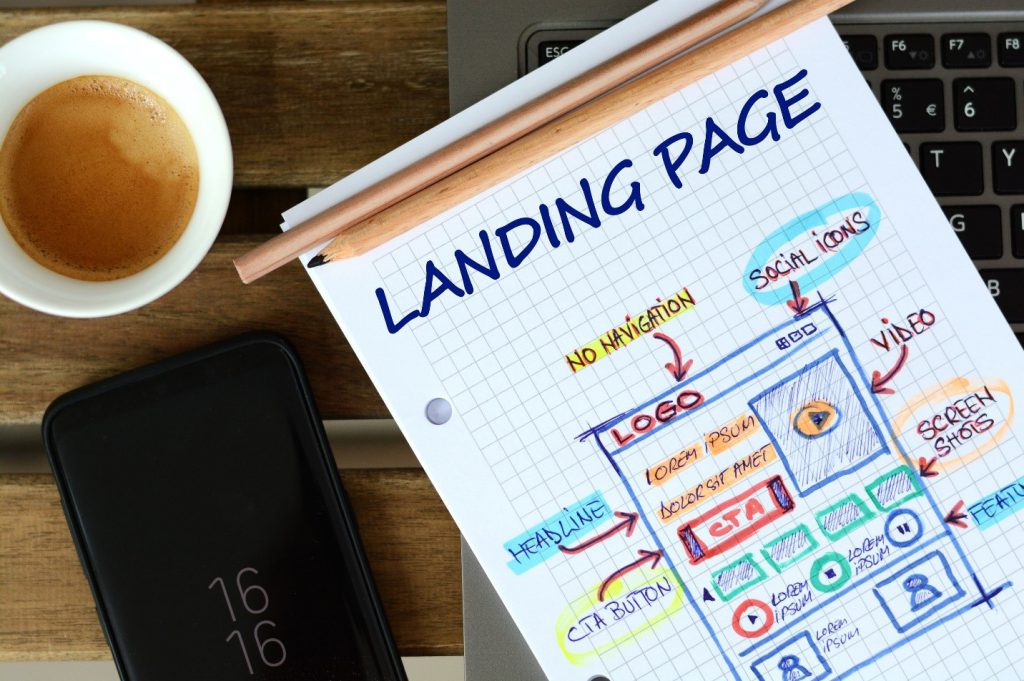
A disorganized user interface
One of the most common landing page design mistakes is failing to communicate messages and offers clearly to the audience. The clarity of your website’s message and offers on the landing page is extremely important, helping visitors gain a better and deeper understanding of everything you provide.
If the message on your landing page is not expressed clearly, your audience may not properly understand what you offer.
It is best to avoid unnecessary crowding of elements and content on landing pages, because audiences generally want an orderly page. All these issues ultimately lead to weak user interaction with your website. When Google’s search engines detect this, they may lower your website’s ranking.
Using arbitrary, irrelevant images on the landing page
Some webmasters and SEO specialists may not consider adding images to a landing page particularly important or necessary. In fact, image quality and relevance to the website’s main subject and message can have a substantial effect on attracting users’ attention and encouraging purchases. The more professional and credible the material you include, the more your website’s brand is valued by the audience.
An unclear, weak call to action (CTA)
Neglecting the call to action is a common landing page mistake. The main purpose of a landing page is to encourage the audience to buy your website’s products. The call to action should therefore be creative and professional to have the strongest possible effect on the audience.
Even one incorrect, irrelevant button in a CTA can mislead visitors and reduce their enthusiasm for purchasing or visiting. Using too many buttons in the call-to-action section also confuses audiences further.
For this reason, sometimes it is better to broaden the audience’s scope of choices and let them take action themselves to reach the next stage through the landing page. In other words, in some cases there is no need to use an excessive number of clickable buttons to guide visitors.
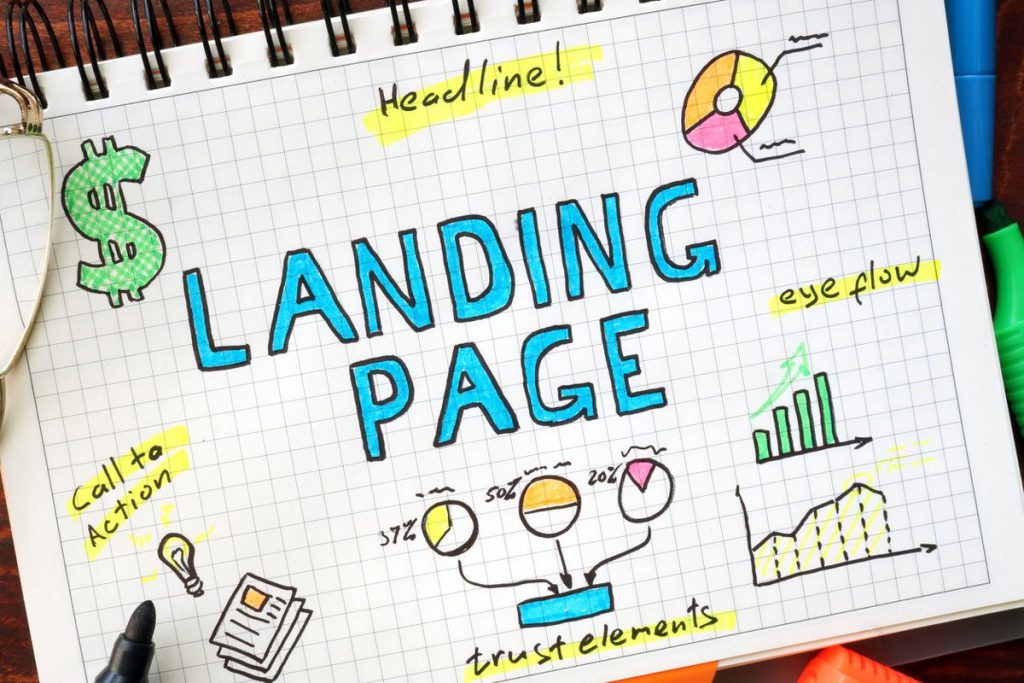
Long, tedious descriptions
One landing page design mistake that might initially seem minor is using descriptions with long sentences. In today’s world, where people value time above almost everything else, lengthy descriptions cannot encourage action in every situation. In many cases, long texts can even bore the audience and prevent your main message from reaching them.
A high bounce rate
One of the worst things for disrupting visitors’ attention is the use of sudden advertisements and product offers on website pages. Ads that appear abruptly without a proper introduction can cause visitors to leave. This is also known as a high bounce rate and negatively affects landing-page performance.
Publishing duplicate, low-quality content
Content is the most important part of the vast world of digital marketing. The phrase “content is king” has become well known among online businesses because content is so important. To have the greatest effect on visitors to your landing page, you should publish valuable, original content.
In fact, many online business managers unintentionally undermine their brand’s value and credibility through landing page mistakes such as publishing duplicate content.
Final thoughts
Certain landing page design mistakes can have very negative effects on sales and branding. When designing your website’s landing page, therefore, pay close attention to the points discussed above so that you can create an orderly, valuable landing page with a low bounce rate.