


Defining a Brand and Brand Management
Brand management is a broad term covering a wide range of marketing strategies used to increase customer awareness of a brand and build deeper connections between audiences and businesses. Defining a brand strategy therefore requires knowledge of advertising, marketing, audience acquisition, sales, customer retention, visual appeal, creativity, and more. Without any one of these skills, the work becomes highly complex and difficult and often fails. In general, a business’s brand refers to the audience’s overall experience of interacting with its services. That audience member might be a social media follower or simply the reader of an article.
Our consultants at Disaan Branding Agency use branding techniques to design and implement strong, successful brand-development strategies. The following sections introduce these techniques in more detail.
What Is Brand Development?
Brand development is one of the most important subjects in brand strategy and management. Before outlining its stages, remember that development is a continuous, ongoing process in which different strategies may be formulated and implemented. More technically, brand development is a process that increases the overall strength of your brand. It includes three important stages:
- The first stage is to develop an organized strategy that advances your business objectives. Here, our consultants at Disaan Digital Agency draw on all their knowledge and expertise to create innovative, successful brand-development strategies.
- The second stage is the creative design of the logo, slogan, tagline, and websites.
- The final stage is strengthening the new brand—in other words, updating it.
The Importance of Branding and Brand Management According to Philip Kotler
Kotler’s view of the importance of branding and brand management is presented as follows: in today’s world, brands play a fundamental role in improving consumers’ lives and helping them recognize products and services, while also increasing companies’ value.
Professional brand management and branding enable business owners to respond fully and clearly to questions from individual and corporate consumers. Audience interaction is one of branding’s key success factors. Identifying customer and target-audience questions and needs is therefore an important stage of brand management. At Disaan, we first identify your target audience. With a sufficient understanding of them, we guide the branding process so their questions are answered and your brand’s goals are clearly expressed throughout the different stages of brand management.
What Does Brand Strategy Mean?
A brand strategy is a purposeful, long-term plan for developing a brand. If successful, it can encourage consumers and customers to choose that brand and its products and services. Our consultants at Disaan Advertising Agency draw on years of experience and successful branding techniques to help develop effective strategies for your brand and achieve your branding objectives.
In defining a brand strategy, our team follows seven fundamental pillars to help fulfill your service and business objectives. We examine these pillars below.
What Is the Brand’s Purpose?
One of the most important pillars of brand strategy is setting a clear purpose for the brand. You need to establish your main objective before defining the strategy. One central objective for any brand is fulfilling its commitments. Yet when trust in products and services has declined for various reasons, making a promise alone is not enough to increase a brand’s value. A clear purpose can increase your brand’s value and distinguish it from others.
The best brand strategy aims at more than selling products. Its main purpose should benefit customers and audiences in a meaningful way and leave them more satisfied.
Identify Consumers and Customers in the Target Market
Identifying the target market’s audience and customers is one of the most important parts of defining a successful, professional brand strategy, and one we emphasize at Disaan. Many successful companies worldwide begin with a thorough audience-identification process. By analyzing target users’ and audiences’ interests and needs, our experts identify your prospective customers and audience and take the necessary steps to attract their attention. We also build all subsequent stages of your strategy around this understanding so you do not drift away from your main objective.

Deliver a Specific, Clear, Powerful Message to Your Audience
After identifying your target audience, the next task in developing and applying a brand strategy is to communicate a simple, appealing, compelling message. The more valuable, truthful, and engaging its content, the more highly audiences will value your brand.
Remember that successful brands continually try to receive customers’ concerns, suggestions, and criticism constructively, then improve services and adjust strategy to build closer relationships. Our specialists at Disaan Agency study consumer opinions and suggestions thoroughly and work to adjust your brand strategy continually in response, strengthening your relationship with customers.
Evolve Within a Clear Framework While Remaining Consistent
Consistency is an important, effective branding technique in defining brand strategy. But consistency does not mean refusing to change. It means a brand should evolve with audience needs and preferences within a clear, stable framework. A brand that never changes is like a dead organism that makes no effort to remain dynamic and alive. Keeping a brand alive is difficult without relevant knowledge and expertise. Our professionals at Disaan Digital Agency use their extensive knowledge to evolve your brand within a defined, limited framework, aiming to bring it closer to audiences and distinguish it from other brands while maintaining its vitality.
Why Defining a Brand Strategy Matters
Almost all successful brands have a strong command of their brand strategy and can make an impression on audiences even without certain tools, such as a logo. Well-known brands’ strategies differ from ordinary ones and include particular techniques and valuable insights. They create major differences in tone of voice, language, content, and the feelings they evoke. We likewise work to identify a strength that matters to your brand’s customers, helping you remain more memorable.
Types of Brand Strategy Approaches
Branding offers different strategic approaches. Choosing among them creatively and intelligently can add distinctive value to your business as you formulate your brand strategy. Factors such as audience type, business sector, marketing campaigns, and available budget all need consideration.
Taking all these factors into account when choosing a branding strategy may seem difficult, but our specialists at Disaan Digital Agency can help you handle this stage effectively.
Personal Branding
As the name suggests, personal branding develops a brand for a particular individual. Many well-known actors and footballers, for example, use it to introduce themselves to audiences.

Product Branding
Product branding is one of the strongest strategies for distinguishing a particular product in the market. At Disaan Digital Agency, we use strategy-development software and distinctive techniques to design a branding strategy for your specific product, helping present it to audiences differently from the many similar competing products.
Corporate or Organizational Branding
Corporate branding is a strategy-development approach concerned with activities that promote the trade name of a legal business entity. The planning our specialists undertake for this approach differs from product branding.
Service Branding
This type of branding concerns how services are delivered to audiences and customers to meet their needs. Many successful companies use it to provide first-class, distinctive services.
Co-Branding
Co-branding is another approach to brand strategy and brand development. It involves joint marketing by two or more companies or businesses. Co-branding increases awareness of brand and trade names and supports entry into new markets. It helps different businesses have a positive influence on one another.
Online or Digital Branding
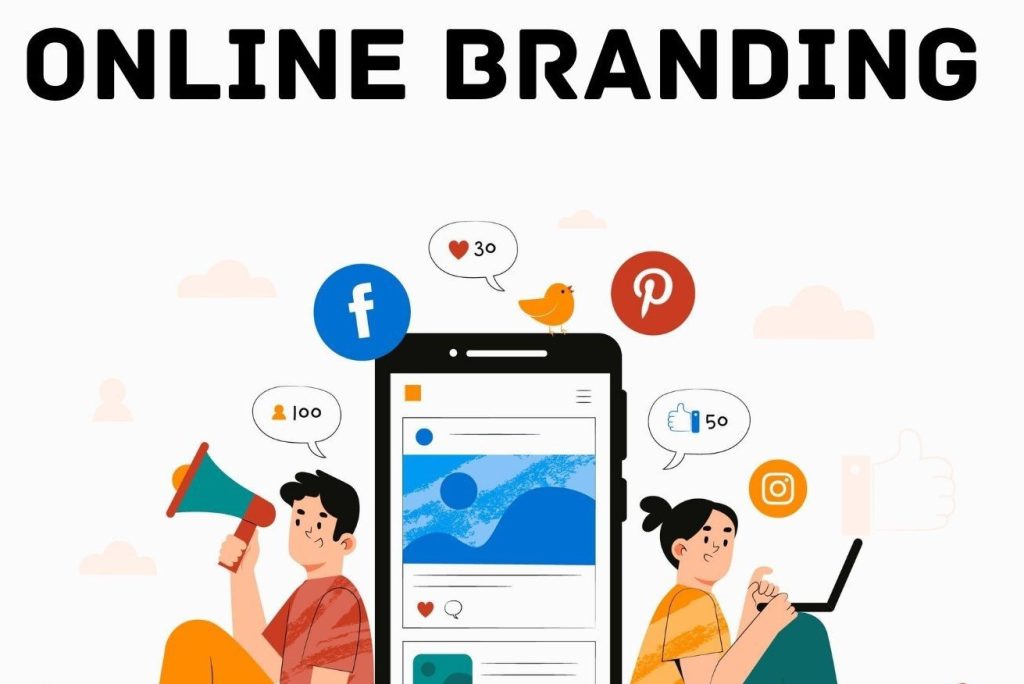
Online branding is one of the strategies used by successful companies worldwide. It has a substantial influence on brand building and revenue generation. Closely resembling online marketing, it encompasses different social media platforms, blogs, and the business’s website.
Multi-Branding Strategy
Our specialist team at Disaan Digital Agency often implements multi-branding for companies that want a separate name for each of their goods and products. This strategy is useful when one brand serves a particular market segment and another brand serves other segments.
Our specialists also use multi-branding when a company wants to categorize its products by quality and price.
Developing Strategy with SWOT
The SWOT matrix is an advanced strategic-planning tool. It allows managers and strategists to examine a business from internal and external perspectives and identify strengths and weaknesses.
SWOT is one of the best approaches to formulating and defining brand strategy; its matrix is prepared after the vision has been developed. Strong, coordinated teamwork is an important requirement. Through SWOT analysis, our specialists at Disaan Digital Agency map internal and external information and identify strengths and weaknesses in your business’s brand strategy.
The Components of SWOT Analysis
SWOT stands for the following terms, in order:
- Strengths: S is the first letter of Strengths and of SWOT. Strengths are the factors that enable a company to advance ahead of its competitors.
- Weaknesses: Weaknesses are factors that cause a brand to fall behind its competitors. W, the first letter of Weaknesses, is the second letter of SWOT.
- Opportunities: Opportunities are favorable conditions that can strengthen and preserve a competitive advantage. O is the third letter of SWOT.
- Threats: Threats are factors that create unfavorable conditions and can negatively affect business processes.
Final Thoughts
Brand strategy contains specific, long-term objectives achieved through a brand’s evolution. Even successful brands cannot endure for long in a competitive market without a sound, professional strategy. When developing different brand-development strategies, pay close attention to brand purpose and to identifying customers and audiences in the target market. At Disaan, we put branding techniques into practice and handle the entire process, from creating your brand to helping it grow.